
How Expanding Wilds Keep the Reels Spinning Longer
Pull up a chair and watch the reels do their thing, because the mechanics behind modern pokies have shifted from simple paylines to something far more clever. The latest releases from developers chasing the Aussie market lean heavily on symbols that stretch, multiply, and reshape the grid mid-spin. If you have ever sat in front of a bank of screens at a Gold Coast strip club or poked around a mobile app after a long shift in the CBD, you have probably felt that split-second rush when a symbol decides to take up more room than it was supposed to. That little bit of digital gymnastics is what keeps punters coming back, and it is worth having a yarn about how it actually works before you toss another credit into the hopper.
The trick with these growing symbols is that they do not just appear and vanish; they change the maths on the fly, which means a run of bad beats can flip into a proper payout if the timing lines up. It is the sort of feature that separates the one-dimensional fruit machines from the polished video pokies you see on the bigger platforms. Anyone asking is ozwin legit should probably start by looking at how the operator handles these mechanics in practice, because a site that runs them fairly will usually spell out the behaviour in the paytable and let the demo mode do the talking. Below, two mates break down what they have noticed after a few afternoons spent testing the new crop of releases, then we will walk through what actually matters when you are picking a game that uses this sort of wild symbol behaviour.
“Mate, I swear the last one I played had that wild symbol jump from a single square to covering half the reel stack before the free spins even kicked in,” Trent said, stirring sugar into his flat white at the local café off Brunswick Street.
“Yeah, that’s the expanding lot,” Ren replied, nodding toward the phone screen.“I’ve been chasing them since the newer drops landed on the mobile apps. The ones that grow mid-spin are a different beast to the static wilds we used to see on the old three-reel jobs.”
“So you reckon it’s worth sticking with a game just for that mechanic, or is it all smoke and mirrors until the bonus round?”
“Nah, it’s legit maths, not smoke. The trick is picking ones where the wilds can pop on multiple reels during the base game, not just in the feature. You want that coverage early, otherwise you’re just watching pretty graphics until the free spins roll around.”
The conversation above sums up the usual approach: pick a title where the symbol growth feels active rather than decorative, and treat the demo version like a proper test run before you commit any real cash. That mindset keeps the session enjoyable and stops you from chasing a feature you have not actually read the rules for.
How the symbol growth mechanic actually works
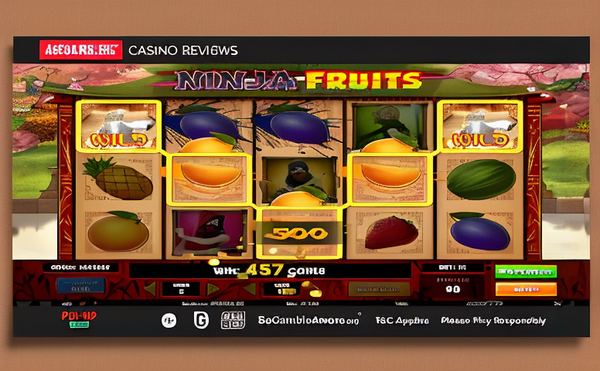
When a wild symbol decides to expand, it usually starts as a single position on the grid and then stretches across the entire reel or a set number of adjacent positions, depending on the game’s rules. The result is that a single line can suddenly intersect with multiple paylines at once, which is why the payout potential jumps so quickly when the right combination lands. Developers design these symbols to behave differently in the base game versus the bonus round, and some titles even let the expansion trigger a re-spin or shift the entire grid layout. The maths behind it is straightforward: more covered positions mean more chances for matching symbols to line up, but the trade-off is that the feature often activates less frequently than a standard wild substitution.
You will notice the difference most clearly on five-reel video pokies where the grid is wider and the paytable offers multiple ways to win. A symbol that expands across a full reel can turn a meagre three-of-a-kind into a much healthier cluster, especially when the game uses adjacent paylines or cluster-based payouts. The key is to read the paytable carefully, because some developers cap the expansion at a certain number of reels or limit it to specific rows. That sort of detail matters when you are comparing titles, since a wild that grows on every reel during free spins is a very different proposition from one that only stretches on the middle three positions.
The visual feedback is usually the first thing that grabs attention, with animations that ripple across the screen and highlight the new positions as they lock in. That presentation is part of the appeal, but the real value lies in how the feature interacts with other mechanics like multipliers, stacked symbols, or re-spins. When a growing wild lands alongside a bonus trigger, the session can shift from a quiet run of spins to a proper winning streak, which is exactly why operators push these releases hard on their featured slots section. The trick is to treat the flashy presentation as a bonus rather than the whole reason to play, because the underlying rules are what determine whether the feature actually pays out at a rate that feels fair.
Why punters keep chasing the feature
The appeal comes down to anticipation, because a symbol that can change the board mid-spin creates a sense of momentum that static reels simply do not match. Punters who have spent time on the newer video pokies will tell you that the moment a wild starts to stretch is often the point where the session feels like it is turning a corner, even if the final payout has not landed yet. That psychological lift is real, and it is one of the reasons these mechanics have become a staple in the portfolios of developers targeting the Australian market. The feature gives the session a narrative, with each spin potentially setting up the next one in a way that feels more active than a plain payline match.
There is also the practical side of it, because a growing wild can effectively bridge gaps between scattered symbols that would otherwise fall short of a winning combination. On games that use ways-to-win or cluster mechanics, that extra coverage can turn a near-miss into a paid line, which is exactly the sort of outcome punters remember when they decide which title to load up next. The feature works best when you understand that it is not a guarantee of a big hit, but rather a tool that increases the surface area for wins to occur. That distinction matters, because treating the expansion as a certainty is how sessions drift into the red faster than they should.
The best way to approach it is to pick games where the expansion is tied to a clear trigger, whether that is a specific symbol landing or a bonus round activation. When the rules are transparent, you can plan your session around the feature instead of hoping it appears out of nowhere. That approach suits the way most Aussie punters actually play, which is in short, focused bursts rather than marathon sessions that blur into each other. A well-designed expanding mechanic gives you something to watch for without turning the whole game into a lottery ticket, and that balance is what separates a polished release from a gimmick.
What separates a good expanding wild from a gimmick
A proper feature has rules that are easy to find and easy to understand, with the paytable spelling out exactly when the symbol grows, how far it can stretch, and whether the expansion can happen more than once per spin. Games that hide those details behind a generic help screen tend to feel less trustworthy, because the whole point of the mechanic is that it should be visible and predictable enough to plan around. When the rules are clear, you can tell whether the wild expands on every reel or only under certain conditions, and that clarity is what makes the feature worth your time. A gimmick, by contrast, leans on flashy animation while keeping the actual behaviour vague, which is a poor look for any title that wants to stick around in a crowded market.
The frequency of the expansion matters just as much as the size of it, because a wild that grows rarely but covers the entire grid can feel more like a lottery than a feature you can actually work with. Better-designed games strike a balance, offering expansion on multiple reels during the base game and then ramping it up during free spins or bonus rounds. That progression gives the session a rhythm, with the base game setting up the potential and the feature round delivering the bigger coverage. When you compare titles, look for that kind of layered design rather than a single dramatic moment that rarely repeats.
Another sign of a solid release is how the feature interacts with the rest of the game, particularly when it comes to multipliers, stacked symbols, or retriggers. A growing wild that also carries a multiplier or can appear in stacks adds a layer of depth that keeps the session interesting without relying on pure luck alone. That sort of design is what you tend to see from developers who have spent time refining their portfolios for the local market, where punters are quick to spot a title that feels shallow after a few dozen spins. The feature should feel like part of a larger system, not a one-off trick that looks good in a trailer but does little once you are actually playing.
Reading the paytable before you spin
The paytable is where the real story lives, and it is worth taking a minute to scan it before you drop any credits into the hopper. Look for the section that describes the wild symbol’s behaviour, paying close attention to whether the expansion is limited to certain reels, rows, or bonus rounds. Some titles will spell out exactly how many positions the symbol can cover, while others will leave it to the animation to do the explaining, which is a less reliable way to understand what you are actually playing. A clear paytable is a good sign, because it tells you the operator has put the detail front and centre rather than burying it in a generic help tab.
You should also check whether the expansion can stack or multiply, because those extra layers change the maths more than the visual stretch alone. A wild that expands and also carries a multiplier is a very different proposition from one that simply takes up more space, and the paytable will usually spell out the difference if you know where to look. That is the sort of detail that separates a thoughtful release from a generic one, and it is exactly the kind of thing worth checking before you commit to a session. If the rules are vague, it is usually better to move on and find a title that lays its mechanics out properly.
The free spins section deserves the same attention, because many games ramp up the expansion behaviour once the bonus round kicks in. Some titles will let the wild grow on every reel during free spins, while others keep the same limits as the base game and rely on other features to boost the payout potential. Knowing which approach a game uses helps you set realistic expectations, which is the whole point of reading the paytable in the first place. When you understand the rules before you spin, you can treat the feature as part of a session plan rather than a mystery that only pays off by chance.
How to pick a game that uses the feature well
- Check that the paytable explains the expansion clearly, including how many reels or positions the symbol can cover and whether the behaviour changes in bonus rounds.
- Look for titles where the wild can appear on multiple reels during the base game, rather than only activating during a separate feature round.
- Prefer games that combine the expansion with other mechanics like multipliers or stacked symbols, because those layers add depth without relying on a single dramatic moment.
- Test the title in demo mode first, so you can see how often the expansion triggers and whether the pacing feels right before you commit any real cash.
- Avoid releases that hide the rules behind vague animation or generic help text, because a transparent paytable is usually a better sign of a well-designed feature.
The list above is a practical starting point, and it works just as well for mobile sessions as it does for the bigger screens you find on the newer platforms. When you apply those checks, you tend to end up with titles that feel purposeful rather than flashy, which is exactly the sort of game worth a proper session. The Australian market has no shortage of releases competing for attention, so a little filtering goes a long way when you are trying to find a pokie that actually uses its mechanics well.
Comparing operators and what they offer
The operator behind the game matters just as much as the title itself, because a platform that runs its features transparently will usually give you clearer paytables, smoother mobile performance, and better access to demo modes. Joe Fortune has built a solid reputation as one of the leaders of the Australian market, and the way it presents its slot portfolio is a decent benchmark when you are comparing where to play. A site that puts its mechanics front and centre, rather than burying them under generic promotions, tends to be the one that punters return to when they want a session that feels straightforward and fair.
When you are weighing up where to play, it is worth checking how the operator handles game information, customer support, and the overall presentation of its slot library. A platform that treats its players like they actually want to understand the rules will usually stand out from the ones that rely on loud promotions and vague promises. That sort of comparison is less about chasing the loudest offer and more about finding a place where the games are presented honestly and the features are easy to read before you spin. If you want a closer look at how the local market stacks up, it is worth checking sierraltaschwencke.cl a dedicated review hub like is ozwin legit before you settle on a platform, because a clear operator comparison saves you from guessing which sites actually present their games properly.
The regulatory side is worth keeping in mind as well, because any operator serving Australian punters has to play by the rules set by the local watchdog, which you can read up on at the Australian Communications and Media Authority. That oversight is what separates a properly run platform from the rest of the pack, and it is one of the first things worth checking when you are comparing where to play. A site that respects those standards will usually be the one that presents its games, including the expanding wild features, in a way that is clear, fair, and worth your time.